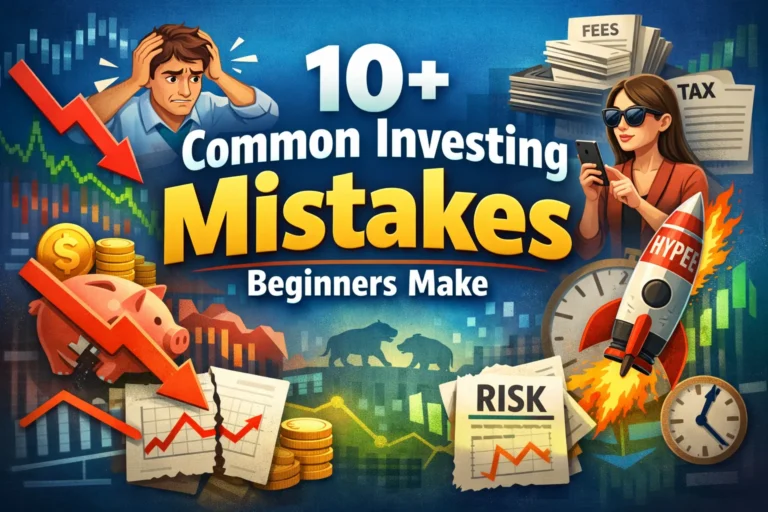
10+ Common Investing Mistakes Beginners Make (Avoid These Costly Errors!)
Are you ready to grow your wealth but feel overwhelmed by where to start? You’re not alone. Many beginners jump into investing without fully understanding the risks, and end up making mistakes that could have been avoided. The good news is that with the right guidance, these errors don’t have to derail your financial journey.
Investing is one of the most effective ways to build wealth, yet for beginners, it can be a minefield. While the potential rewards are significant, the pitfalls are just as real, many first-time investors make errors that can cost them dearly, both financially and psychologically. Recognizing these mistakes early and understanding how to avoid them is crucial for long-term success.
In this comprehensive guide, we’ll explore the most common investing mistakes beginners make, why they happen, and practical strategies to prevent them. By the end, you’ll have a clearer path to smart investing and wealth accumulation.
1. Investing Without a Clear Goal
Many beginners start investing without a clear purpose, jumping into the market because of success stories or peer pressure often leads to unfocused decisions.
Why It’s a Mistake:
Investments may not align with your risk tolerance or time horizon.
Progress is difficult to track without measurable objectives.
Decisions become reactive instead of planned and strategic.
How to Avoid:
Define your financial goals: retirement, buying a home, education funding, or generating passive income.
Set a timeline for each goal: long-term goals can tolerate higher risk; short-term goals require safer assets.
Determine expected returns and acceptable risk levels to guide your investment choices.
2. Ignoring Risk Management
Every investment carries risk, yet beginners often underestimate its impact. Ignoring risk management can lead to panic selling during downturns.
Common Mistakes:
Concentrating all funds in one stock or sector.
Failing to diversify across assets.
Investing without an emergency fund.
How to Avoid:
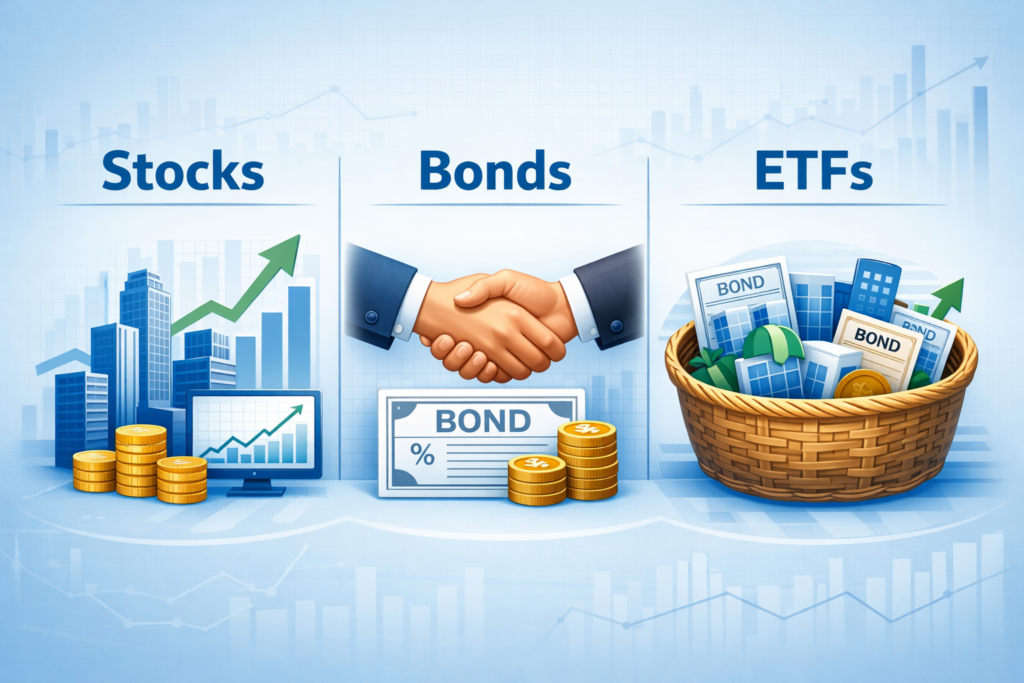
Diversify across stocks, bonds, ETFs, real estate, and other asset classes.
Avoid using leverage or margin trading until you fully understand the risks.
Keep a cash reserve for emergencies so you don’t have to sell investments at a loss.
3. Trying to Time the Market
Beginners often attempt to “buy low, sell high,” but timing the market consistently is extremely difficult, even for professionals.
Why It Fails:
Short-term market movements are unpredictable.
Emotional reactions often lead to poor decisions.
Missing a few key upswings can significantly reduce returns.
How to Avoid:
Focus on long-term investing rather than short-term fluctuations.
Use dollar-cost averaging by investing fixed amounts regularly.
Prioritize the quality and fundamentals of investments over short-term price swings.
4. Neglecting Research
Investing based on tips, social media hype, or headlines is risky. Without research, you may buy unsuitable or overvalued assets.
Why It’s Risky:
Investments may not match your goals or risk tolerance.
High-risk assets can produce unexpected losses.
Following trends can lead to overpaying for investments.
How to Avoid:
Conduct due diligence: understand the company, fund, or sector.
Review financial statements, annual reports, and credible analysis.
Focus on fundamentals and long-term potential rather than hype.
5. Overreacting to Market Volatility
Market ups and downs are normal, but beginners often panic, selling at the wrong time and harming long-term returns.
Common Behaviors:
Selling after minor drops.
Chasing short-term trends to recover losses.
Avoiding the market after experiencing losses.
How to Avoid:
Accept that short-term volatility is part of investing.
Maintain a diversified portfolio to reduce risk exposure.
Focus on long-term goals and resist emotional decisions.
6. Underestimating the Power of Compounding
Compounding, the process of generating returns on previous earnings is often overlooked. Delaying investment limits wealth accumulation.
Why Beginners Miss Out:
Waiting for the “perfect time” to start.
Prioritizing immediate gains over long-term growth.
Failing to reinvest dividends or interest.
How to Avoid:
Start investing as early as possible, even with small amounts.
Reinvest earnings to maximize compounding.
Contribute regularly to benefit from consistent growth.
7. High Fees and Poor Investment Choices
Fees can quietly eat into returns over time. Beginners often overlook costs when selecting investment products.
Common Fee Traps:
High expense ratios in mutual funds.
Frequent trading commissions or transaction fees.
Paying for unnecessary financial services.
How to Avoid:
Choose low-cost index funds or ETFs for broad exposure.
Limit frequent trading to reduce fees.
Carefully review all costs before investing.
8. Overconfidence
Overestimating your knowledge or ability to predict markets often leads to risky decisions.
Signs of Overconfidence:
Believing you can consistently time the market.
Ignoring expert advice or research.
Concentrating investments in a few “sure things.”
How to Avoid:
Acknowledge your knowledge limits.
Start with smaller investments to gain experience.
Continuously educate yourself on markets, strategies, and risk management.
9. Ignoring Tax Implications
Taxes can significantly reduce investment returns if overlooked. Many beginners underestimate their impact.
Common Mistakes:
Not using tax-advantaged accounts like 401(k)s, IRAs, ISAs, or TFSAs.
Ignoring capital gains or dividend taxes.
Frequent trading without considering tax consequences.
How to Avoid:
Learn tax-efficient investing strategies for your country.
Utilize retirement accounts and other tax-advantaged vehicles.
Hold investments long enough to benefit from lower long-term capital gains rates.
10. Chasing Trends
Hot stocks, cryptocurrencies, or speculative sectors can be tempting. Beginners often jump in without understanding value, leading to losses.
Risks of Trend-Chasing:
Buying at peak prices due to hype.
Selling during corrections at a loss.
Ignoring fundamentals and long-term strategy.
How to Avoid:
Stick to a researched, diversified investment plan.
Evaluate trends carefully before investing.
Remember: if it sounds too good to be true, it probably is.
11. Failing to Diversify
Diversification spreads risk across assets, sectors, and regions. Over-concentration exposes investors to unnecessary losses.
Why It’s Risky:
Poor performance in one investment can wipe out gains.
Sector or regional downturns disproportionately affect concentrated portfolios.
Limited diversification reduces long-term stability.
How to Avoid:
Invest across multiple sectors and asset classes.
Include international exposure for additional diversification.
Rebalance periodically to maintain your desired allocation.
12. Letting Emotions Drive Decisions
Fear and greed are powerful forces in investing. Beginners often let emotions dictate when to buy or sell, which can lead to costly mistakes.
Examples of Emotional Investing:
Panic selling during a market dip.
Buying a stock solely because it’s trending or hyped.
Reacting to short-term news rather than fundamentals.
How to Avoid:
Create a clear investment plan and follow it consistently.
Use automated strategies, like robo-advisors or regular contribution plans.
Focus on long-term performance and resist reacting to short-term fluctuations.
13. Neglecting Continuous Learning
Financial markets and investment strategies evolve constantly. Beginners who stop learning risk underperformance and missed opportunities.
Risks:
Falling behind on new investment products, trends, or regulations.
Overlooking opportunities for better risk-adjusted returns.
Repeating past mistakes due to insufficient knowledge.
How to Avoid:
Read reputable investment books, articles, and research reports regularly.
Follow market news, regulatory updates, and economic indicators.
Join investment communities or take courses to maintain and grow your knowledge.
14. Ignoring Retirement Planning
Focusing only on short-term wealth while neglecting long-term retirement planning can severely limit future financial security.
Why It’s a Mistake:
Delaying retirement contributions reduces the benefits of compounding.
Relying solely on future income creates financial uncertainty.
Lack of planning may force dependence on social security or family support.
How to Avoid:
Start contributing to retirement accounts as early as possible.
Automate contributions to ensure consistency over time.
Adjust portfolio risk based on age, retirement horizon, and personal circumstances.
15. Not Having an Exit Strategy
Investing without a plan for selling can lead to panic sales, missed gains, or holding losing positions too long.
Why It’s Important:
Markets and personal circumstances change over time.
Lack of selling criteria can trap capital in underperforming assets.
An exit plan ensures disciplined, objective decision-making.
How to Avoid:
Set predefined targets or conditions for selling each investment.
Review your portfolio regularly to ensure it aligns with your goals.
Be flexible but disciplined, adjusting strategy only when necessary.
16. Overlooking Inflation
Inflation reduces the real purchasing power of money. Beginners often invest in assets that fail to outpace inflation, eroding long-term wealth.
Risks:
Cash holdings lose value over time.
Low-yield investments may underperform relative to inflation.
Ignoring inflation can result in insufficient wealth accumulation.
How to Avoid:
Include growth-oriented assets like equities or real estate in your portfolio.
Consider inflation-protected securities when available.
Regularly compare returns against inflation to ensure real growth.
17. Lack of Patience
Investing is a long-term process. Expecting quick returns can lead beginners to abandon solid strategies prematurely.
Signs of Impatience:
Selling assets after minor market dips.
Frequently switching investments based on short-term performance.
Chasing unrealistic returns.
How to Avoid:
Set realistic expectations for growth and timelines.
Practice patience and allow investments to compound over time.
Review your portfolio periodically, but avoid overreacting to minor fluctuations.
18. Not Seeking Professional Advice When Needed
While self-education is essential, beginners sometimes try to navigate complex markets alone, risking preventable mistakes.
Why Guidance Matters:
Professionals provide personalized advice tailored to your goals, risk tolerance, and tax situation.
Advisors can assist with complex instruments, estate planning, and portfolio allocation.
Avoiding professional input may result in unnecessary losses.
How to Avoid:
Consult a certified financial advisor or investment planner when needed.
Use robo-advisors for automated guidance if cost is a concern.
Combine expert advice with your own research to make informed decisions.
Conclusion
Investing offers a powerful path to wealth creation, but beginners often stumble on mistakes that can limit their success. From neglecting clear goals to letting emotions dictate decisions, these errors are common but entirely avoidable.
Key Takeaways for Beginners:
Educate Yourself Continuously: Knowledge is your strongest tool against costly mistakes.
Diversify and Manage Risk: Spread your investments across assets to protect your portfolio.
Focus on Long-Term Goals: Compounding works best when you give it time.
Keep Emotions in Check: Make decisions based on strategy, not fear or hype.
By identifying these mistakes and applying disciplined strategies, beginners can confidently navigate the investing landscape, reduce losses, and maximize long-term growth. Remember, successful investing isn’t about perfection, it’s about patience, consistency, and smart decision-making.
Next Read:
- Long-Term Investing vs Short-Term Trading: 7 Powerful Differences That Shape Your Wealth
- How Risk Tolerance Affects Your Investment Choices: 9 Powerful Strategies Smart Investors Use
- Dollar Cost Averaging Explained: 7 Powerful Examples to Master This Smart Investing Strategy
- Index Funds Explained: 9 Powerful Reasons They Beat Most Investors
- 7 Smart Ways to Start Investing With $100 or Less Today
- Stocks vs Bonds vs ETFs: 7 Powerful Differences Every Beginner Must Understand
- How Investing Works for Complete Beginners: 9 Powerful Steps to Start Building Wealth